
Living in the most desirable neighborhoods along Salt Lake City’s East Bench means you’re surrounded by homes with great character, mature landscapes, established communities, and close proximity to the mountains. But many of these homes were built decades ago, and often need thoughtful updates to support the way people live today.
Before you start renovation, it’s important to understand the unique opportunities and challenges that come with remodeling an older East Bench home.
In this blog, we’ll explain what homeowners should know before remodeling an older home. You’ll learn about common challenges, planning considerations, budget factors, and how thoughtful pre-construction planning can help create a more functional long-term living space.
Here’s a preview of what we’re covering:
- Why East Bench Homes Are Popular Remodeling Candidates
- What Makes Remodeling Older Homes Different?
- Understanding the Layout Challenges of Mid-Century and Older Homes
- Budget Planning Matters More Than Most Homeowners Expect
- Why Pre-Construction Planning Is Especially Important for Older Homes
- Checklist: Is Your East Bench Home a Good Candidate for Remodeling?
- How Marshall Homes Approaches Older Home Remodeling
- Frequently Asked Questions About Remodeling Older Homes
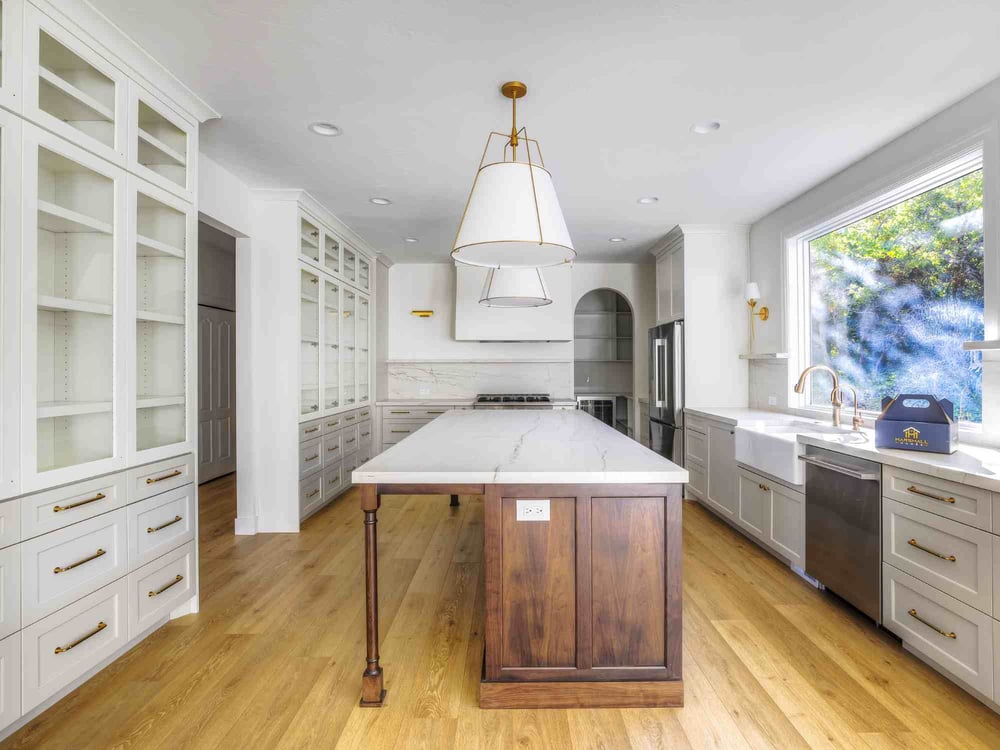
Why East Bench Homes Are Popular Remodeling Candidates
Many East Bench homes have strong long-term remodeling potential because of their locations and lot sizes in established neighborhoods.
It usually makes more sense to remodel than to move when you love where you live. East Bench neighborhoods have access to schools, outdoor recreation, tall trees, and a sense of community unmatched by newer developments.
Plenty of homes in the area also have what we call “good bones,” meaning they have solid construction, desirable lots, and layouts that can be thoughtfully improved through renovation rather than replacement.
These are some of the most common reasons homeowners choose to remodel in Salt Lake City:
- The layout no longer supports daily life
- The kitchen feels disconnected from gathering spaces
- Storage is limited
- Mechanical systems are aging
- Their family plans to stay in the home long-term
- They want to preserve a location they love
- Kitchens and bathrooms feel outdated
What Makes Remodeling Older Homes Different?
Older homes often come with hidden conditions that can impact the project scope, budgeting, and construction planning.
Unlike newer homes, renovations on older properties can uncover surprises during demolition. These discoveries don’t necessarily mean the project is a bad investment, but they do highlight the importance of thorough planning before construction.
Common issues include:
- Outdated electrical systems
- Aging plumbing infrastructure
- Insufficient insulation
- Structural modifications from previous renovations
- Code compliance updates required during renovation
You might be tempted to focus on finishes and details initially, but in reality, some of the most important decisions involve understanding how your home’s existing systems will support the renovation.
Understanding the Layout Challenges of Mid-Century and Older Homes
Many older East Bench homes were designed for different lifestyles than most families lead today. Houses built in the 1950s, 60s, and 70s tend to feature compartmentalized floor plans, smaller kitchens, limited storage, and fewer spaces to gather than modern homeowners typically want.
Rather than focusing solely on aesthetics, a successful renovation begins by evaluating how your home functions. Common renovation ideas for old homes include:
Improving Flow Between Living Spaces
Kitchens, dining rooms, and living areas are often separated in older homes. Remodeling can create better connections between common living spaces while preserving your home’s character.
Creating Better Gathering Areas
Today’s families often want spaces that support everyday meals, entertaining, and spending quality time together. Spaces that make family gathering easier also offer better opportunities for entertaining.
Increasing Storage
Most older homes simply weren’t designed for modern storage needs. Strategic additions, built-ins, and reconfigured layouts can make your space more functional, especially in kitchen or bathroom remodels.
The goal isn’t to simply update finishes, it’s to create a home that better supports how you live every day.
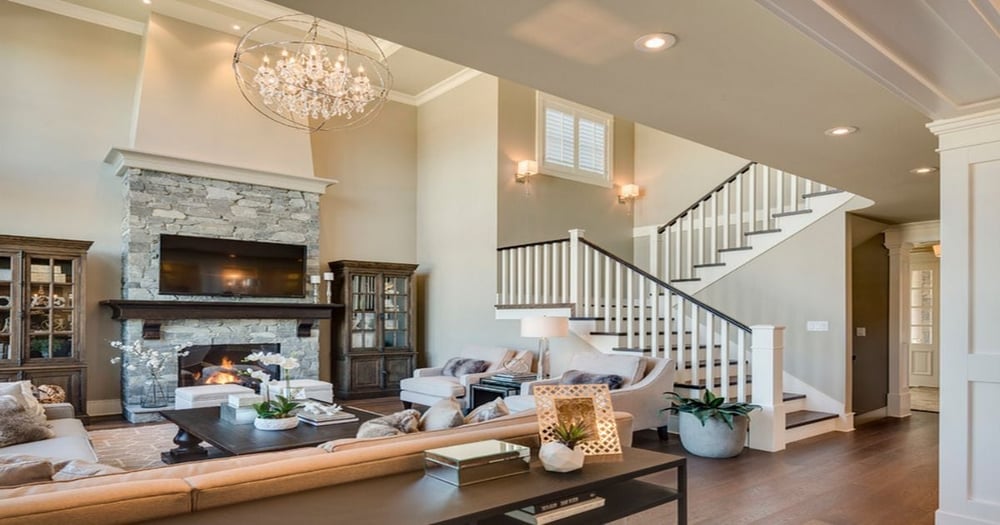
Budget Planning Matters More Than Most Homeowners Expect
Older homes can also reveal conditions that weren’t visible at the start of the project. Structural work, aging systems, site conditions, and permitting requirements are some of the factors that can contribute to unexpected costs during a major home renovation or rebuild.
These are some of the common factors that influence investment levels:
- Structural modifications
- Mechanical system upgrades
- Electrical improvements
- Plumbing replacement
- Material selections
- Permit requirements
- Site access and construction logistics
The earlier you evaluate these factors, the more confident you’ll be as you move into the construction phase.
Why Pre-Construction Planning Is Especially Important for Older Homes
The most successful older home remodels solve problems on paper before construction begins. Many renovation challenges that surface during construction can often be traced back to decisions that weren’t fully addressed during planning.
Thorough pre-construction planning lets both you and your home remodeling contractor evaluate tradeoffs, align design decisions with your investment goals, and establish realistic expectations.
This planning phase can help answer questions about which existing conditions need further investigation, which parts of your home should remain unchanged, and what improvements will have the most impact on your family’s daily life. It can also help determine how design decisions affect the budget and which permits or approvals might be required.
When these conversations happen early, construction usually proceeds with better clarity and fewer surprises.
Checklist: Is Your East Bench Home a Good Candidate for Remodeling?
Many older homes are excellent renovation candidates when your location and long-term goals justify the investment.
Signs a remodel might make sense for your home:
- You plan to stay in your home for many years
- You love your neighborhood, but not the current layout of your home
- Multiple rooms need to be updated at once
- Your home has a strong structure
- Moving would mean leaving a location you love
- Functionality is a bigger concern than square footage
- Your home no longer supports your daily routines
How Marshall Homes Approaches Older Home Remodeling
Thoughtful planning and clear communication are especially important when renovating established homes.
At Marshall Homes, remodeling begins by understanding how you want to live in your home, not just how you want it to look. Our process focuses on evaluating functionality, identifying potential challenges early, aligning decisions with budget goals, and creating a detailed plan before construction begins.
If you’re considering a major renovation, understanding what it’s like to remodel with a design-build firm in Salt Lake City can give you a clearer picture of how design, planning, and construction come together throughout the process.
This guided approach helps homeowners move forward with more confidence, especially when working through the complexities that often come with older East Bench properties.
Frequently Asked Questions
Is it worth remodeling an old home?
In many cases, yes. Homes in established East Bench neighborhoods tend to offer desirable locations, mature landscapes, and long-term value that make renovation an attractive alternative to moving.
What adds the most value when remodeling my older property?
The upgrades that add the most value are often the ones that improve overall home functionality, comfort, and enjoyable everyday living rather than simply updating its appearance.
For many older East Bench homes, the highest-impact improvements include reconfiguring outdated layouts, creating better connections between kitchens and living spaces, adding storage, improving energy efficiency, renovating kitchens and primary bathrooms, and updating aging electrical, plumbing, and HVAC systems.
Where should I start when remodeling an old house?
The best place to start is by identifying how your home is no longer supporting your daily life: which spaces feel frustrating to use, which rooms no longer fit your family’s needs, whether there are structural, mechanical, or maintenance concerns that should be addressed, and which improvements would most impact your daily life.
Once your goals are clear, a home remodeling contractor can help evaluate your home’s existing condition, discuss feasibility, and develop a plan that aligns design decisions with budget expectations.

Thinking About an Older Home Remodel in the Salt Lake City Area?
The key to old home renovation is understanding that older homes come with unique considerations that call for careful planning, realistic expectations, and a detailed plan before construction begins.
If you’re considering remodeling an older home in Salt Lake City’s East Bench or the surrounding area, contact us for a consultation to discuss your goals and help you understand what the process could look like.
Leave a Reply